
What Nobody Tells You About 2026 World Cup Football
2026 World Cup football is the expanded FIFA tournament featuring 48 national teams, 104 matches, and 16 host cities across Canada, Mexico, and the United States. FIFA will stage the competition from June 11 through July 19, 2026, creating the largest World Cup field in tournament history and a demanding logistical test for teams and supporters. The format adds 24 matches compared with Qatar 2022, while the three host countries introduce major differences in climate, travel distance, stadium design, and betting-market timing. Pitch Notes tracks match predictions, team tactics, player statistics, and daily tournament developments for serious fans. Start by assessing geography, squad depth, and confirmed lineups rather than trusting reputation or promotional odds.

Photo by Allen Boguslavsky on Pexels
Is 2026 World Cup football really the biggest tournament ever?
Yes. The 2026 FIFA World Cup is the first edition with 48 teams and 104 matches, making it the largest World Cup by field size, match count, and geographic footprint. The tournament will use 12 groups of four teams, followed by a Round of 32, rather than the 32-team structure used from France 1998 through Qatar 2022.
That expansion changes the mathematics of qualification and the psychology of group play. The top two teams in each group advance, along with the eight best third-place teams, so a defeat is damaging but not automatically fatal. However, this does not mean weak teams suddenly become equal to elite sides; squad quality, recovery capacity, and tournament experience still create substantial advantages. The expanded field does create more volatile early markets, because unfamiliar opponents and limited historical meetings make public sentiment less reliable.
The host arrangement matters just as much. Canada, Mexico, and the United States cover enormous distances, and the selected venues range from Vancouver and Seattle in the west to Toronto, Miami, and Monterrey farther east and south. The official FIFA World Cup 26 tournament overview confirms the 48-team format and 104-match schedule. The practical takeaway is straightforward: analyze the group, venue, kickoff time, and travel route together instead of treating every fixture as a neutral-site contest.
For readers building a serious tournament routine, our 2026 World Cup group-stage analysis is the logical next step.
Want the complete tournament context before comparing teams?
How does 2026 World Cup football handle the 48-team group stage?
The 2026 World Cup group stage uses 12 groups of four teams, with 32 nations advancing to a knockout bracket that begins with the Round of 32. This structure gives each team three group matches, but it also makes third-place rankings and goal difference unusually important.
The format sounds simple until the edge cases appear. A team can finish third and advance, while another third-place team with the same number of points can be eliminated by goal difference, goals scored, disciplinary record, or the relevant competition regulations. That means a late goal in a match involving two unrelated teams may directly affect another nation’s qualification chances. Anyone following live standings must therefore monitor all groups, not only the group currently on television.
Here is the minimum framework for evaluating the group stage:
- Points: Three for a win, one for a draw, and zero for a defeat.
- Goal difference: Goals scored minus goals conceded, a potentially decisive ranking measure.
- Schedule order: The timing of the final group fixtures can alter tactical incentives.
- Third-place table: Eight of the 12 third-place teams advance, so cross-group comparison becomes essential.
- Squad rotation: Coaches may protect players before a decisive final group match.
The expanded format also creates a contrarian point: qualification may become easier for an average team, but winning the tournament becomes harder because a champion must survive four knockout rounds after the groups rather than three. FIFA’s official competition regulations should remain the authority for tiebreakers and disciplinary provisions, because summaries published elsewhere can become outdated.

Photo by https://kaboompics.com/ on Pexels
At Pitch Notes, the useful distinction is between “likely to advance” and “likely to win the tournament.” They are not interchangeable probabilities. A team may have a strong chance of reaching the Round of 32 because its group is balanced, yet still possess limited knockout depth due to injuries, weak substitutes, or a poor defensive transition. That is why our World Cup qualification probability guide separates group advancement from outright title expectations.
See how the expanded format changes match evaluation.
What about travel, heat, and the tournament’s edge cases?
Travel and climate are not background details at the 2026 World Cup; they are performance variables that can influence pressing intensity, substitution patterns, and recovery. The tournament spans 16 host cities across three countries, so teams may encounter different time zones, humidity levels, playing surfaces, and transportation demands within a single campaign.
The most obvious edge case is the difference between altitude and heat. Estadio Azteca in Mexico City sits at approximately 2,240 metres above sea level, while venues in Miami, Dallas, Atlanta, and other American cities may create different humidity and heat burdens. A team accustomed to controlled possession may struggle if its midfield cannot maintain distances late in a match, whereas a direct-transition side may benefit from a slower opponent. These effects should not be exaggerated, but ignoring them is worse than estimating them cautiously.
A practical match checklist includes:
- Venue location: Identify the city, local climate, and likely travel route.
- Rest interval: Count complete recovery days, not just calendar dates.
- Kickoff conditions: Compare local start time with the team’s normal training rhythm.
- Surface and stadium: Check whether the venue uses natural grass, temporary grass, or another approved configuration.
- Climate adaptation: Look for training-camp evidence rather than relying on stereotypes.
- Rotation quality: Evaluate the 15th through 23rd players, not only the starting XI.
The United States will host the majority of matches, while Canada and Mexico will provide important venues and distinct football cultures. The U.S. Soccer Federation and host-city organizers will publish operational information, but supporters should verify transport and entry details directly because event schedules, security rules, and local restrictions can change. My own hard lesson from dealing with a scam sports site was simple: if a page cannot identify its source, date, and responsible organization, it has not earned your trust.
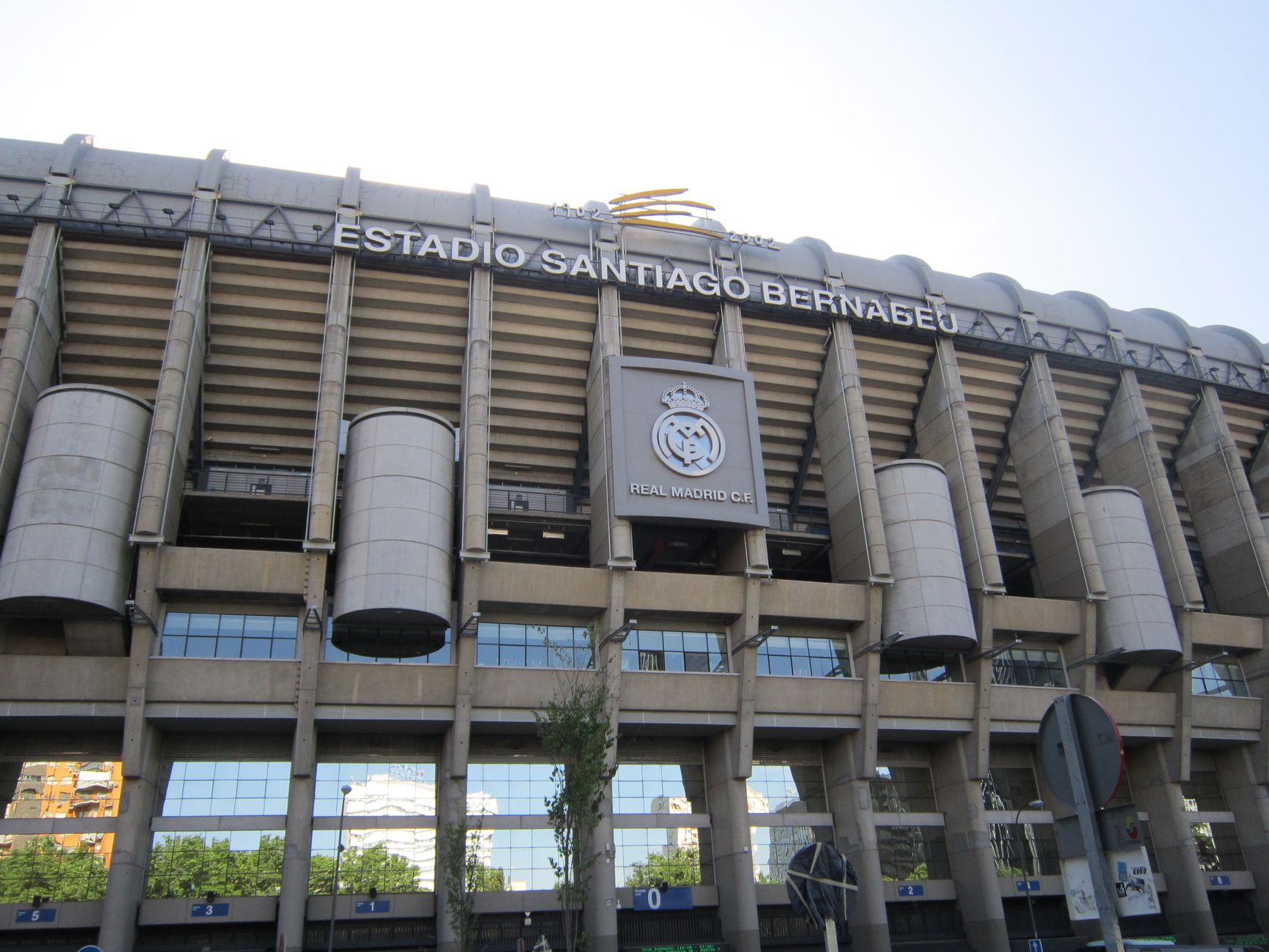
Photo by Lajos Kristóf Kántor on Pexels
The same rule applies to match analysis. A prediction that cites only FIFA rankings is incomplete because rankings compress different competitions, opponents, and time periods into one number. A stronger process combines recent expected goals, shot quality, set-piece output, defensive pressure, availability, and venue conditions. Even then, uncertainty remains; responsible readers should treat predictions as probabilities, never guarantees, and should follow local law if considering regulated sports wagering.
For an evidence-based approach, explore our player form and expected goals methodology.
Where does 2026 World Cup football analysis fail?
2026 World Cup analysis fails when it confuses popularity with evidence, historical reputation with current performance, or a tournament narrative with a measurable tactical advantage. The most common errors are premature title claims, unverified injury reports, and odds comparisons that ignore market rules, limits, or settlement conditions.
Look at the failure points carefully:
- FIFA ranking overreach: Rankings provide context, not a complete match forecast.
- Star-player fixation: One elite forward cannot compensate for weak build-up structure or defensive depth.
- Small-sample conclusions: Two impressive friendlies do not establish tournament-level superiority.
- Ignoring substitutions: With five-substitution rules widely used in modern football, bench quality affects late-game outcomes.
- False precision: A model showing 63.4% is not magically more reliable than one showing 62% if the input data are poor.
- Unclear betting terms: Asian handicap, three-way result, draw-no-bet, and player markets settle differently.
- Scam sources: Unlicensed sites may invent injury news, inflate odds, or delay withdrawals.
This is where regulatory discipline matters. The FIFA Integrity framework emphasizes protecting football from manipulation, and national regulators govern betting activity within their own jurisdictions. As a general principle, “integrity is everyone’s responsibility” is more than a slogan: fans, analysts, operators, and governing bodies all have a duty to challenge suspicious information rather than amplify it.
Pitch Notes does not treat a prediction as a promise. We record the reasoning behind a view, identify the assumptions, and revise the assessment when confirmed lineups or injury information changes. That approach is less exciting than declaring a guaranteed winner, but it is substantially more honest. Isn’t that the point of analysis?

Photo by Atypeek Dgn on Pexels
A particularly useful information gain is the difference between pre-match and in-play evidence. Pre-match data can identify structural strengths, but the first 15 minutes may reveal whether a team can escape pressure, defend the half-spaces, or protect its fullbacks. However, live statistics can also mislead when a team is intentionally conceding possession, so possession percentage alone should never drive a decision.
Before trusting a prediction, verify:
- The publication date and time zone.
- Whether lineups are confirmed or projected.
- The source of injury and suspension information.
- The market’s exact settlement conditions.
- The operator’s licensing and dispute process.
- Whether the recommendation fits your predetermined budget.
Should you try following 2026 World Cup football today?
Yes, but begin with structured observation rather than immediate predictions. The best preparation is to track team identity, squad availability, venue conditions, and market movement over time, then compare your original assessment with what actually happened after each match.
Start with a simple weekly process:
- Select four to six teams with different tactical profiles.
- Record their formation, pressing height, build-up route, and set-piece behavior.
- Track injuries, suspensions, and minutes played by key substitutes.
- Separate home-like conditions from genuinely neutral matches.
- Compare expected goals with actual goals to identify finishing variance.
- Review whether the market moved because of verified news or public emotion.
- Keep a written record of predictions and outcomes without changing the original timestamp.
This method solves a problem most casual coverage creates: it prevents hindsight from rewriting the story. A team that wins 2–0 may still have been tactically poor if its goals came from low-probability shots and individual errors. Conversely, a 1–1 draw may reflect an excellent performance against a stronger opponent. Data from Opta Analyst can support deeper evaluation, but no public model eliminates uncertainty.
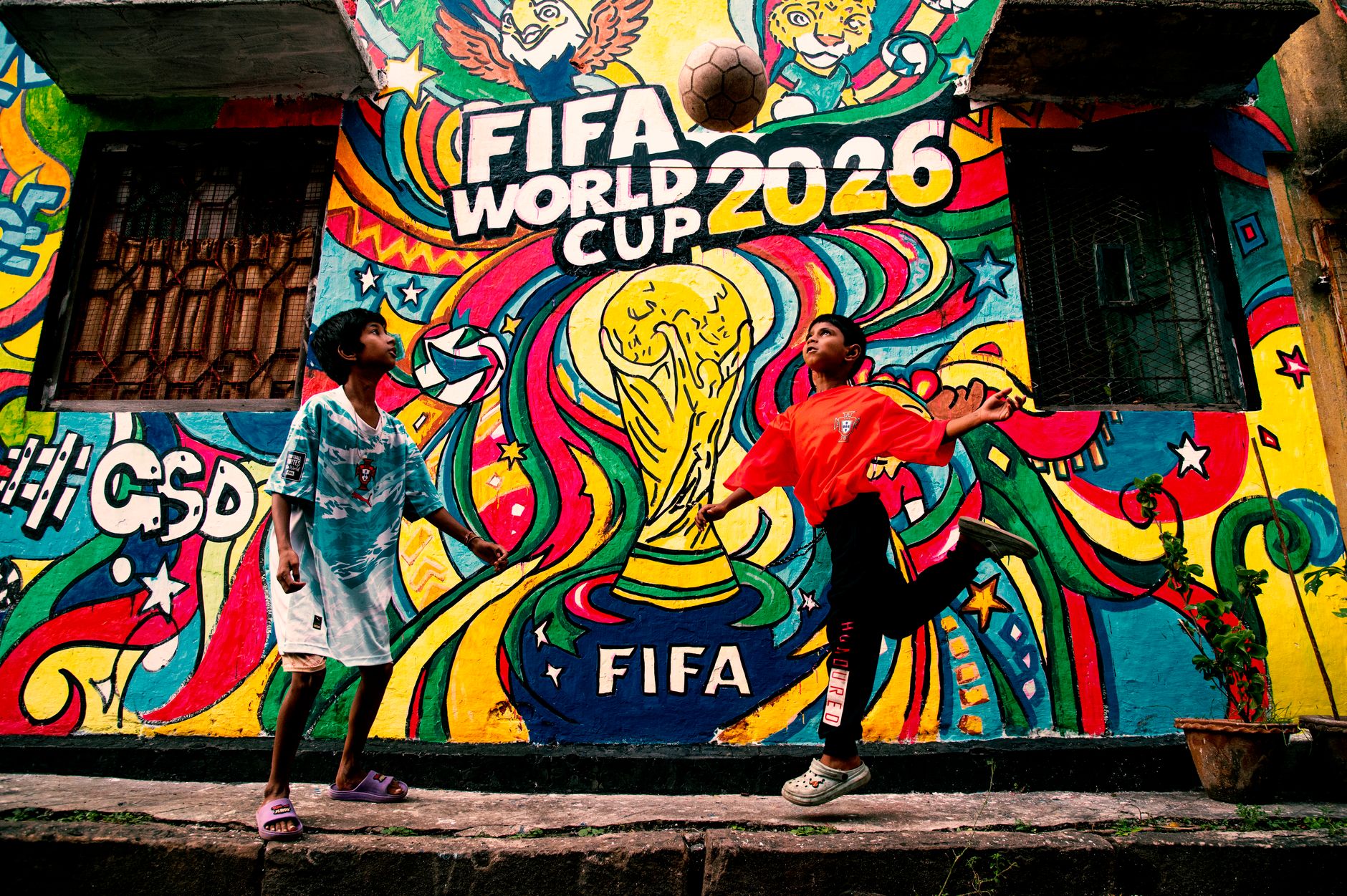
Photo by Anirban Das on Pexels
For readers interested in sports wagering, apply a strict financial boundary before opening any account. Use only licensed providers available in your jurisdiction, verify identity and withdrawal rules, avoid chasing losses, and never treat a bonus as free money because rollover requirements can materially change its value. The safest analytical habit is to decide the maximum amount you can lose before the match begins and stop there; if the activity stops feeling controlled, do not continue.
The strongest contrarian conclusion is that the expanded 2026 World Cup may reward disciplined information management more than flashy prediction talent. There will be more matches, more unfamiliar pairings, and more opportunities for low-quality claims to spread. A careful reader who verifies sources, measures tactical evidence, and understands the format will hold a genuine advantage over someone relying on headlines or reputation.
Ready to follow the tournament with a clearer framework?
Frequently Asked Questions
Q: What is 2026 World Cup football?
A: 2026 World Cup football is the 23rd edition of the men’s FIFA World Cup, hosted by Canada, Mexico, and the United States. It will feature 48 national teams, 104 matches, and 16 host cities from June 11 to July 19, 2026. The tournament introduces a 12-group format followed by a Round of 32, creating a longer knockout pathway than the 32-team era.
Q: How do teams qualify from the 2026 World Cup group stage?
A: The top two teams from each of the 12 groups qualify automatically, and the eight best third-place teams also advance. Teams are compared using competition tiebreakers such as points, goal difference, and goals scored before additional criteria are applied under the official regulations. Supporters should check FIFA’s published rules rather than relying on unofficial summaries.
Q: What is the difference between the 2026 World Cup and Qatar 2022?
A: The main difference is scale: 2026 has 48 teams and 104 matches, while Qatar 2022 had 32 teams and 64 matches. The 2026 tournament also spans Canada, Mexico, and the United States, producing greater travel and climate variation. Qatar 2022 used a compact geographic footprint, so its logistical conditions were fundamentally different.
Q: How can I analyze a 2026 World Cup match?
A: Analyze confirmed lineups, recent expected-goal data, tactical matchup, rest days, venue conditions, and squad depth. Begin by identifying how each team builds attacks and defends transitions, then check whether injuries alter those patterns. Record the prediction before kickoff and compare it with the match evidence afterward to reduce hindsight bias.
Q: Why can a 2026 World Cup prediction fail?
A: A prediction can fail because football contains significant variance, including deflections, red cards, goalkeeper errors, finishing fluctuations, and tactical surprises. Poor data, outdated injury information, and overreliance on reputation create additional analytical errors. Even a well-calibrated probability is not a guarantee, so responsible readers must preserve uncertainty.
Q: Is following 2026 World Cup betting markets worth it?
A: Following markets can be useful for understanding public expectations, but it is not a guaranteed way to make money. Compare the exact odds, rules, licensing status, withdrawal terms, and applicable regulations before using any provider. Set a fixed entertainment budget, never chase losses, and avoid unverified sites that promise guaranteed returns.
Q: What should I do if a World Cup analysis site looks suspicious?
A: Stop before depositing money or sharing identity documents, then verify the site’s ownership, license, contact details, and domain history. Check whether its match data links to FIFA, national federations, recognized statistics providers, or reputable media. If withdrawal conditions are vague, support responses are evasive, or guaranteed profits are advertised, leave the site and report it to the relevant regulator.
2026 World Cup football deserves more than a list of famous teams and headline predictions. The tournament’s 48-team format, 104-match schedule, 16 host cities, and cross-border geography create a competition where context is decisive. Follow confirmed information, question exaggerated certainty, and use Pitch Notes for daily tactical, statistical, and tournament analysis.
Begin your 2026 World Cup coverage with verified information and a disciplined process.